How Modalities Fit the System
Recovery modalities at Chronos are not a menu of gadgets. They are tools selected and sequenced based on the phase of care, the tissue, and the clinical problem.
Core Modalities
These three carry the strongest evidence base and do most of the work in Chronos programs. Each is selected for a specific tissue and phase of care — and none is used on its own. Modalities support a loading and recovery plan; they do not replace it.
Extracorporeal Shockwave Therapy
Acoustic pressure waves intended to stimulate local blood-vessel formation and reactivate a stalled healing response. Among the modalities here, shockwave has the strongest evidence for chronic tendinopathy — Achilles, patellar, rotator cuff, lateral epicondyle — and it is where we most often start. Typically delivered in 6–8 sessions spaced 5–7 days apart, with loading progression coordinated alongside. It is used as part of a loading program, not instead of one.
Class IV Laser & Photobiomodulation (PBM)
Class IV laser and photobiomodulation are the same underlying therapy — therapeutic red and near-infrared light (roughly 600–900nm) thought to act through mitochondrial photoreception, supporting ATP production and modulating the local inflammatory response. The difference is dose and application: higher-power delivery is intended to reach deeper tissue past the superficial musculature, and is used for post-surgical soft-tissue recovery, symptomatic OA joints, and the consolidation phase of tendon recovery. Lower-intensity delivery emphasizes cellular support in prehabilitation and integration phases. Evidence is encouraging but variable across indications.
TECAR — Transfer of Energy Capacitive and Resistive
Capacitive and resistive radiofrequency current generating deep endogenous heat, used to support fascial glide, local perfusion, and soft-tissue mobility. Applied in the consolidation phase of tendon recovery and reintegration phase of post-op recovery, and frequently paired with manual soft-tissue work rather than used alone.
Selected Adjunctive Modalities
Used selectively alongside the core program when the clinical picture calls for them. Evidence for these is more limited or indication-specific, and they are chosen case by case.
RST (Electric Cell-Signaling Therapy)
RST / Sanexas delivers varying frequencies of electrical energy non-invasively, with the aim of easing chronic pain and symptoms of peripheral neuropathy. Evidence is limited; it is used adjunctively for stubborn nerve-related pain that has not responded to standard care.
emField Pro — Electromagnetic Pulse Therapy
High-intensity pulsed electromagnetic field therapy applied to deeper tissue with the aim of reducing pain and supporting neuromuscular recovery across joints, tendons, and larger muscle groups. Used as an adjunct within a broader plan.
Cryotherapy
Targeted cold therapy used to reduce pain and inflammation, calm an over-active healing response, and support recovery between training loads or after procedures.
How Modalities Are Delivered
Chronos delivers its modality-intensive care through a clinical partnership with Dr. Michael Sheps, D.C. — founder of Pacific Coast Sports Medicine, co-located with Dr. Rahman at 11710 Wilshire Boulevard in Brentwood. For more than two decades, Dr. Sheps has provided advanced, non-invasive therapies to Olympic and professional athletes and active adults across West Los Angeles — laser and photobiomodulation, shockwave, TECAR, RST, electromagnetic pulse therapy, cryotherapy, and soft-tissue work. His equipment and expertise power the modality side of every Chronos program: Chronos sets the clinical plan, and Dr. Sheps delivers the modality program to it.
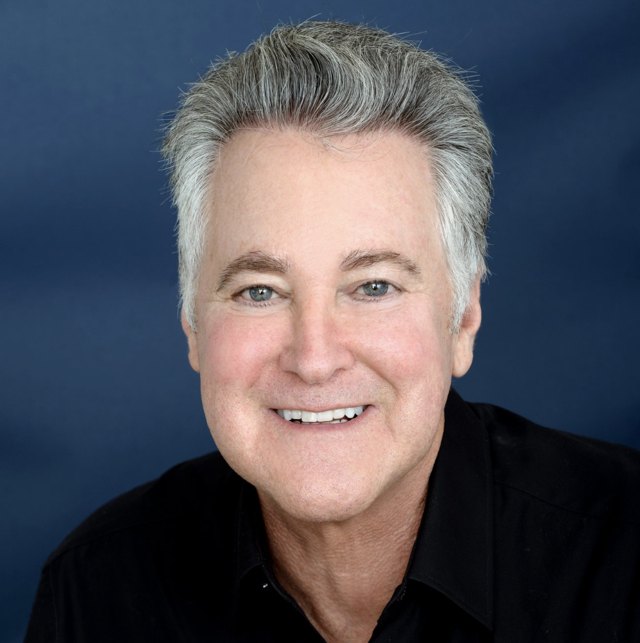
A fixture in West LA sports medicine for over two decades, treating Olympic and professional athletes with technology-forward, non-invasive therapies. Dr. Sheps brings the modality expertise and equipment that Chronos programs are built around.
drsheps.com →À la Carte Access
Modality sessions are available as part of a Chronos program or membership plan. À la carte sessions are generally not the most effective use of these tools — the point of the system is that modalities are sequenced to a phase of care — but one-off sessions for specific indications may be available case-by-case.